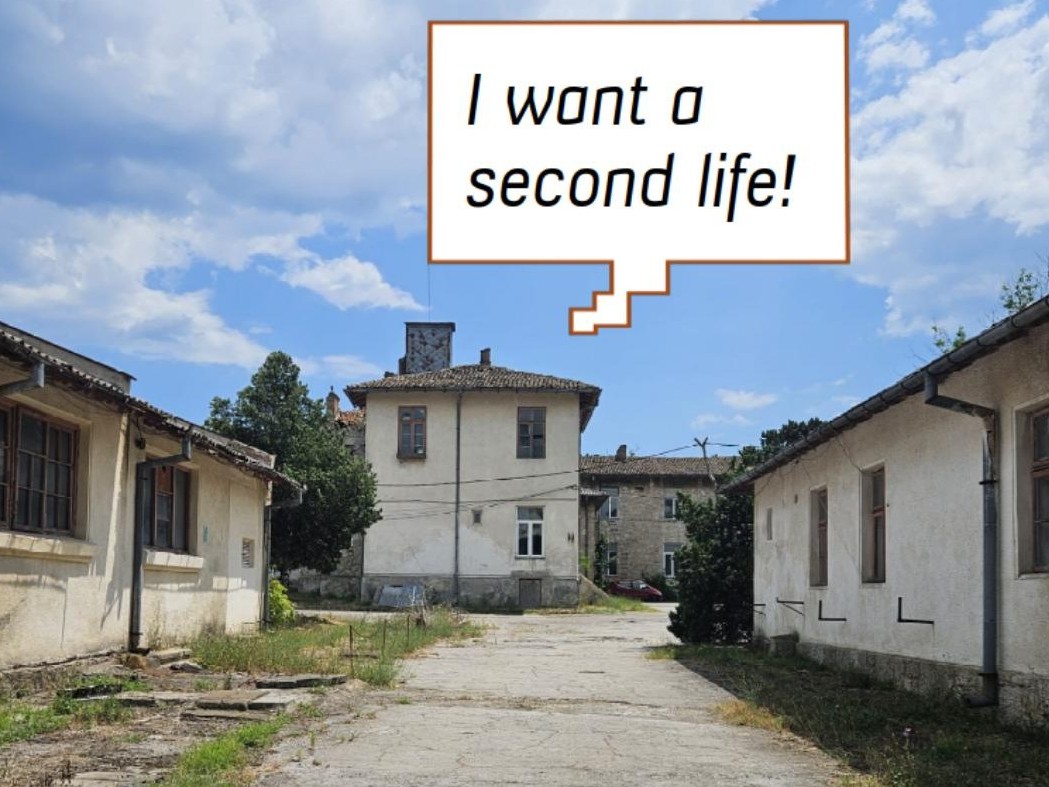
During the ECOWEEK 2026 that took place in Bucharest, Constanța and Eforie Sud, the participants explored various options for renovating a historic sanatorium site in the spa town of Eforie Sud.
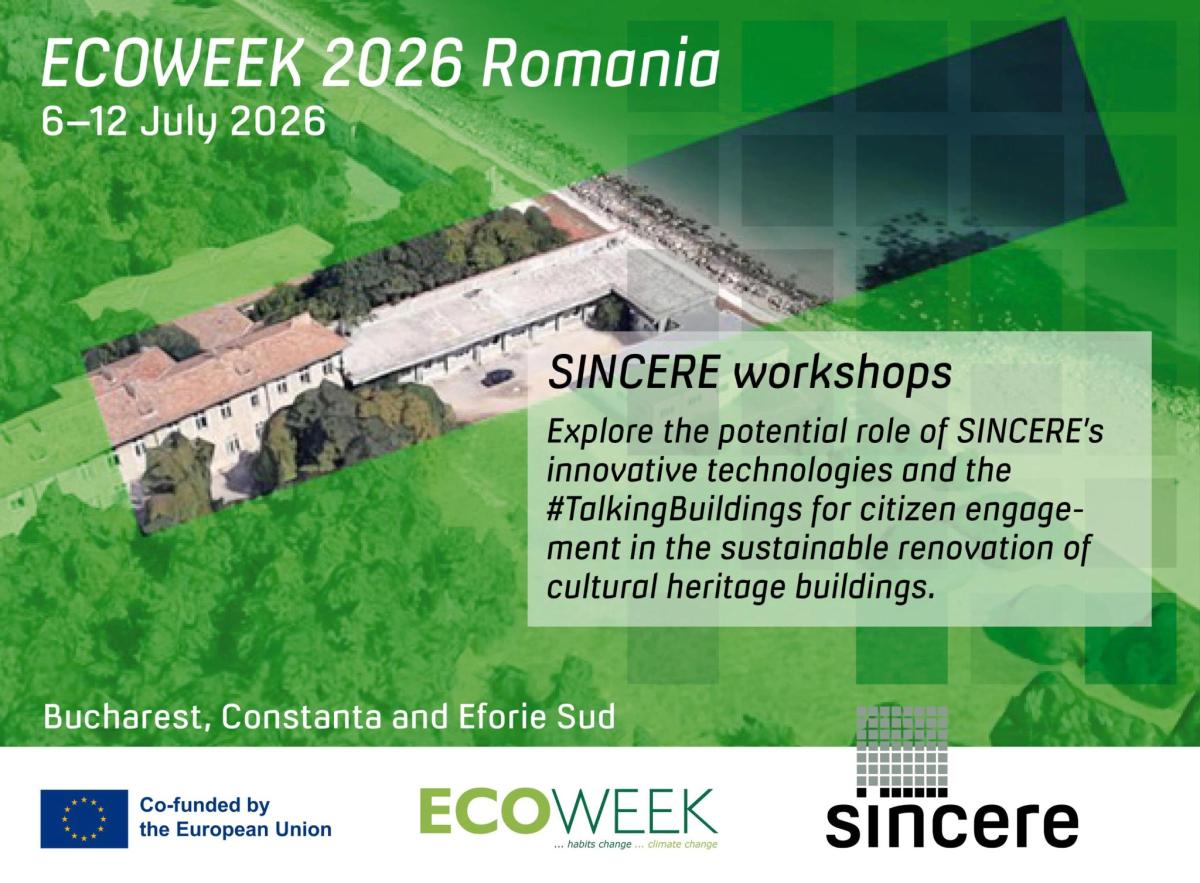
Located between the Black Sea shore and the therapeutic Lake Techirghiol, under high pressure for tourism development, it was critical for the local team to communicate the site's cultural heritage potential, and the importance of its preservation and regeneration. The #TalkingBuildings was introduced as a potential advocacy tool, which can support various revitalization proposals and, more broadly, contribute to redefine the relationship between historic cultural heritage sites, and current tourism and urban trends.
In the case of Eforie Sud, preserving local heritage requires the regeneration of the sanatorium site through its enhancement and the modernization of its infrastructure, and at the same time, the revitalization of Eforie Sud, the first spa resort on Romania’s Black Sea coast, whose urban design holds significant heritage value. The Eforie-Techirghiol region operates as a complex territorial system, and its long-term sustainability depends on maintaining a balance among the interconnected systems of coastal tourism, spa and health infrastructure, ecological landscapes, the heritage urban fabric and regional infrastructure. Consequently, identifying future development opportunities requires dialogue among the various spatial systems to establish a provisional balance.
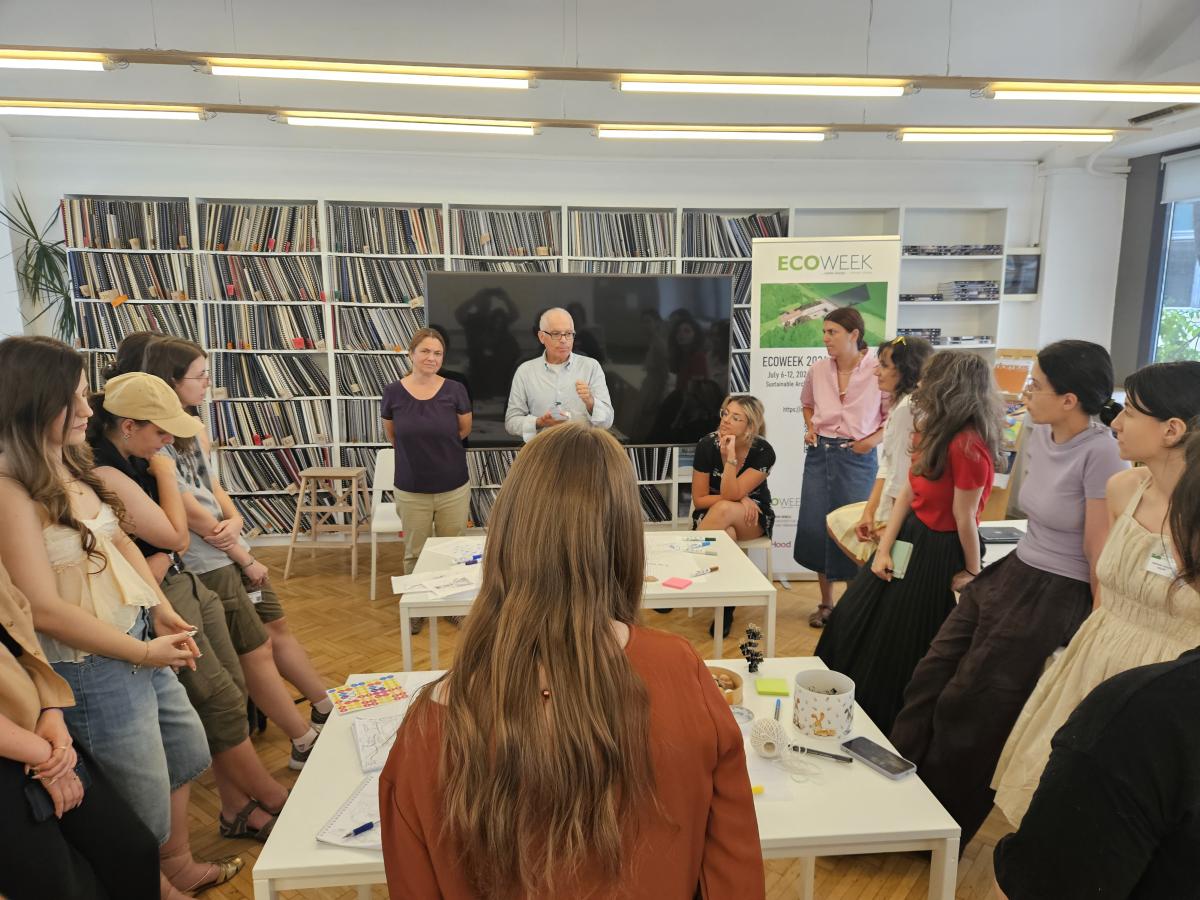
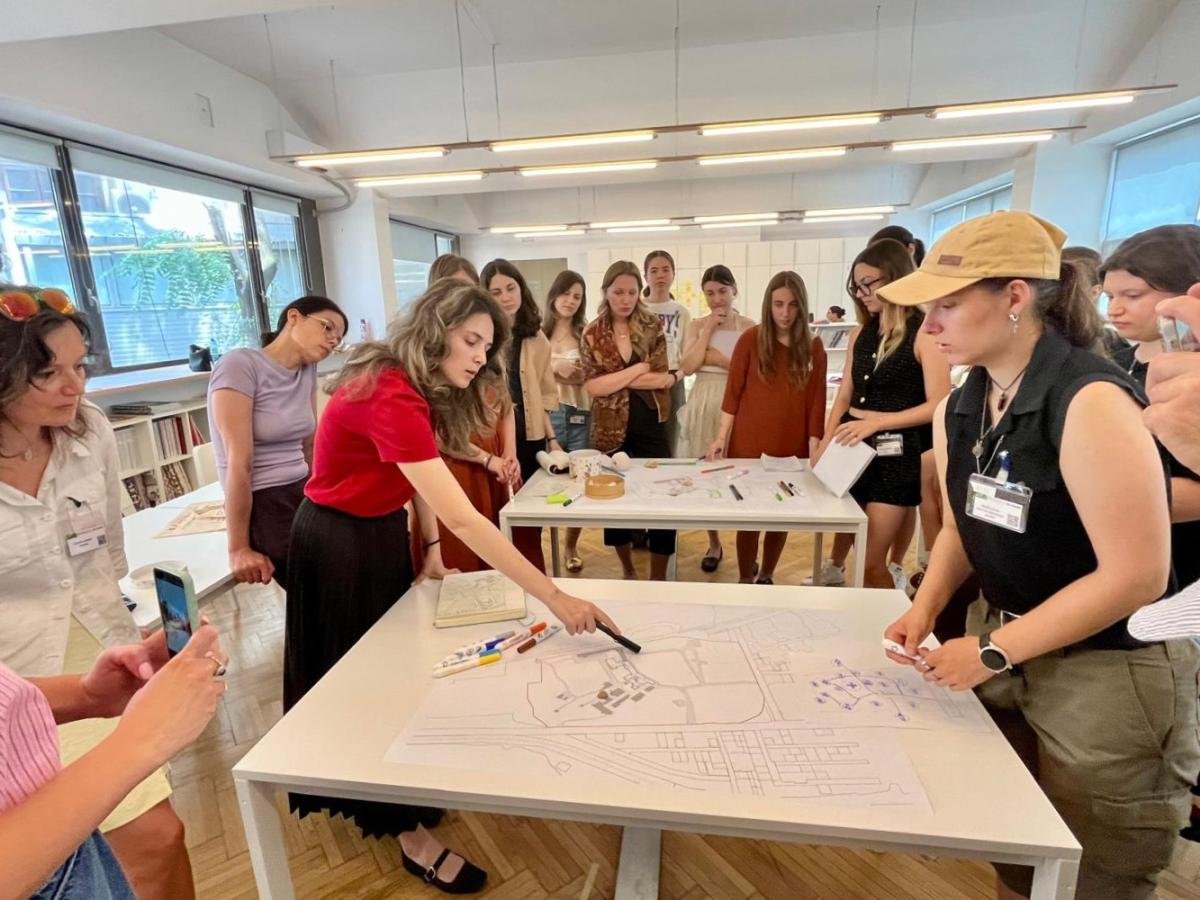
The ECOWEEK 2026 working groups therefore gave voice to their different scenarios, which were discussed during interim deliberations held throughout the design process. By means of the #TalkingBuildings methodology, cultural heritage acquires multiple and diverse voices, a polyphony.* While this can transform a structure into a living work of art, the coexistence of different time periods and architectural styles on an urban scale gives rise to potential cultural dialogues.
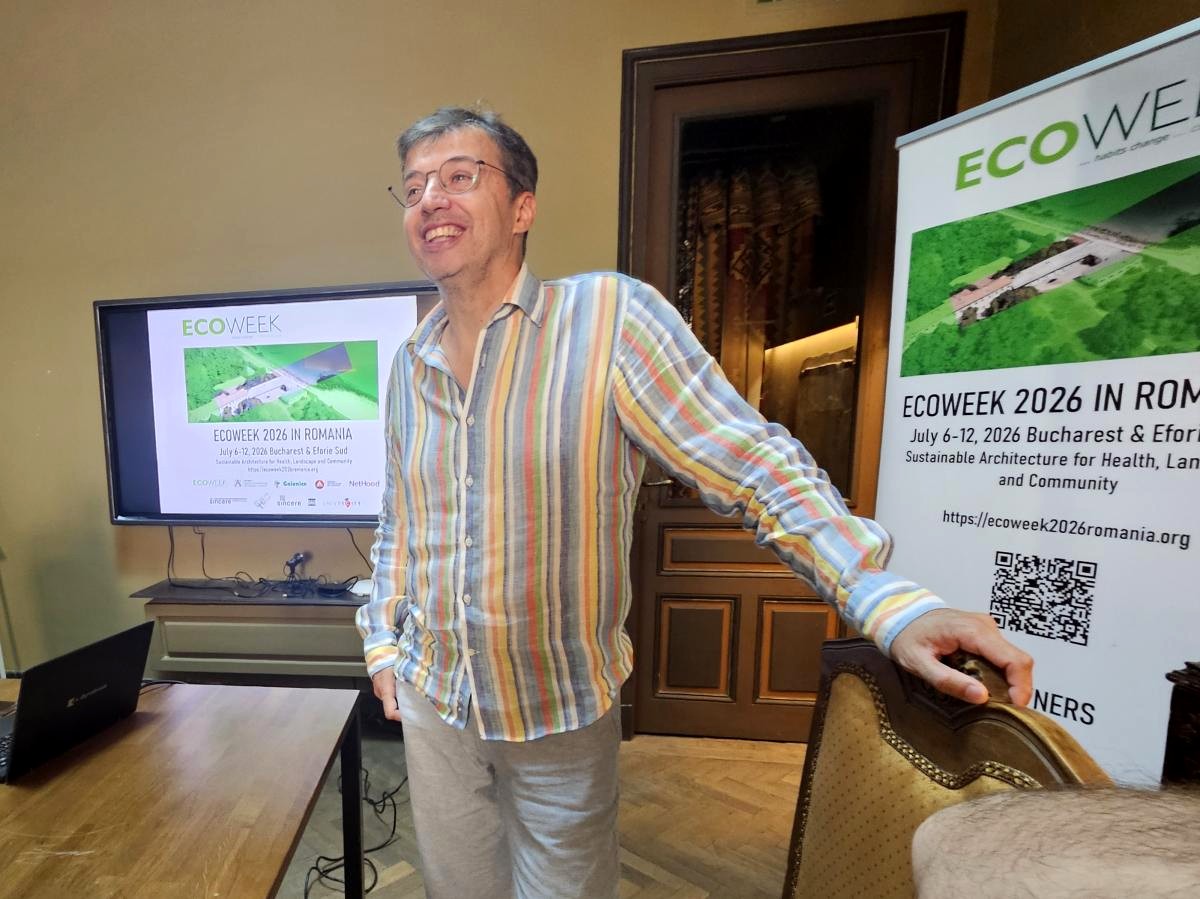
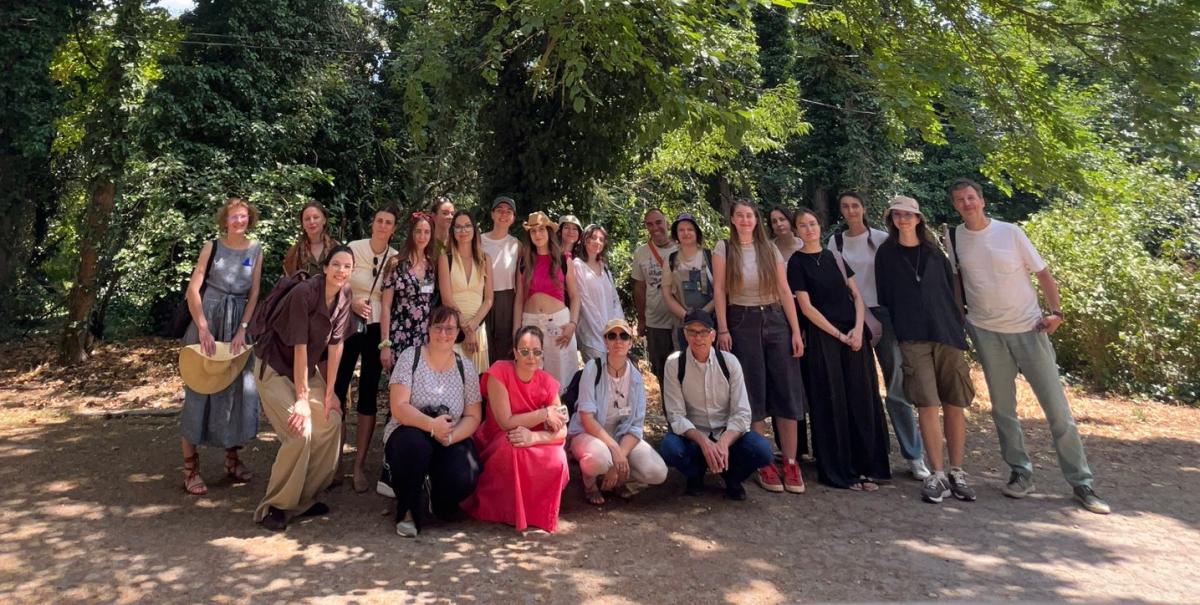
So to gather documentation for this process, a field trip to Eforie Sud was organized at the beginning of ECOWEEK, which accustomed the participants to the conditions in situ. During the perception walks, they carefully observed the buildings and then, as part of a preliminary reflection phase, identified and selected the elements that express their character (see the photo gallery - link). By documenting some of the site’s “voices” through ethnographic and sensory methods, the framework necessary for a deeper understanding was created, which may ultimately lead to a sense of connection.
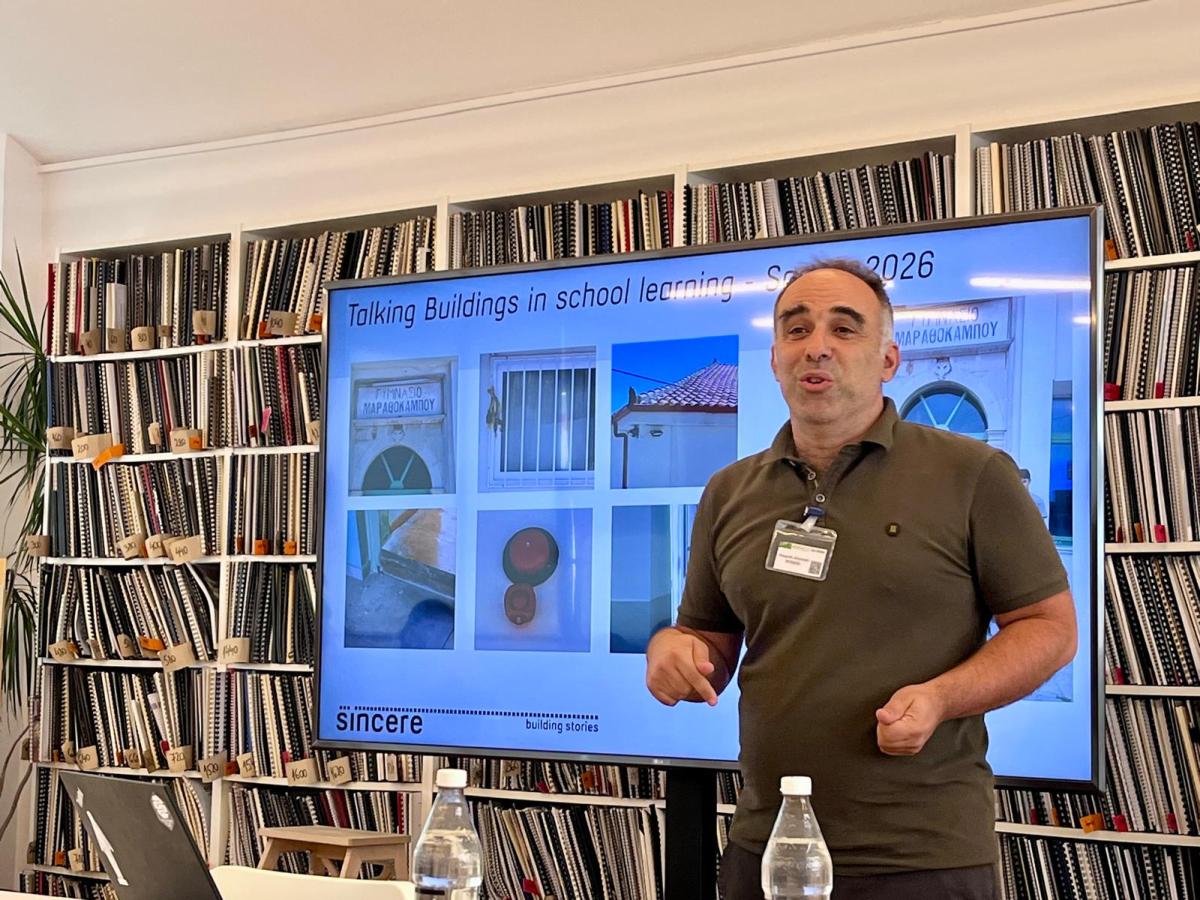
Once the site became more familiar, attributing human traits within the #TalkingBuildings challenge –whether “voices” or feelings– to architectural and landscape elements was a simple exercise in imagination, yet one that can be very powerful in emphasizing the site’s heritage potential, and even reinforcing the need to preserve and revitalize it. Moreover, the impersonations allowed for a certain degree of detachment, which brought to the discussions about the scenarios that necessary civility that can prove highly effective in reaching an agreement.
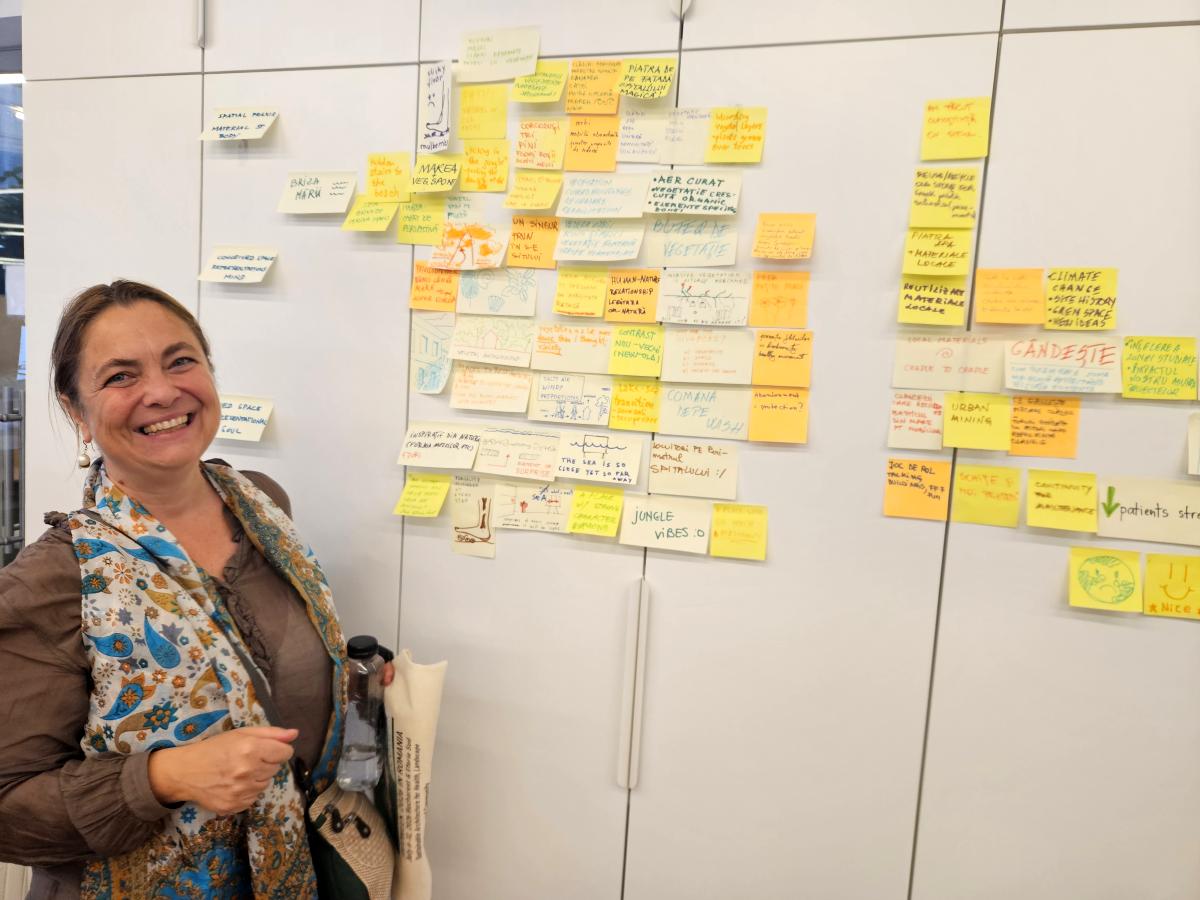
Indeed these profound experiences shift one’s focus from physical space to lived space, where there are strong possibilities to open up unexpected perspectives and to inspire new life. That is essential for the preservation of cultural heritage, as heritage buildings are not merely old structures or cultural assets, but by enduring beyond a single generation, they are constituent elements of the human world that make possible a meaningful existence, one shared by all.
*Polyphony in architecture refers to the expression of the multiple voices of buildings, whether through the way the architectural concept simultaneously combines structure, materials, light, and function, or through the sensory experience of its materiality --the interplay between visual rhythm, textures, acoustics, and movement--, or through the feelings generated by emotional reactions, the stories about the building, or the memories it evokes. Through the “Talking Buildings” research method, polyphony is translated into the art of building and into the understanding of architectural space.